The Real Math Behind Slot RTP (And Why It Matters)
Ask ten slot players what RTP means and you'll get ten variations of the same half-truth: "It's how much the machine pays back." Technically correct. Practically useless. The number that actually shapes your session — and your bankroll — is volatility, and most players never look at it. If you've ever watched a friend triple their balance on the same slot that ate yours in twenty minutes, you already know there's more going on than a percentage on a paytable.
RTP Is a Long-Run Averages Game, Not a Promise
Return to Player is calculated over millions of spins, usually simulated in testing labs like eCOGRA or GLI. A 96% RTP slot means that across an enormous sample, the game returns 96 cents for every dollar wagered. The house keeps 4 cents. That's it. It says nothing about your next 100 spins.
Here's a concrete example. A $1 spin on a 96% RTP slot has an expected loss of $0.04. Run 1,000 spins at that stake and your theoretical loss is around $40. But variance means your actual result could be anywhere from -$400 to +$250 depending on how the session played out. The math doesn't lie — it just works on a timescale most players never reach.
What many people don't realize is that RTP on online slots is typically higher than land-based machines. Las Vegas casino floors often run slots at 85–92% RTP. Online slots from reputable providers like NetEnt, Play'n GO or Pragmatic Play usually sit between 94% and 97%. That gap of 5–10 percentage points is massive over thousands of spins. A $500 bankroll cycle at 92% costs you roughly $40 in expected value; at 96.5%, it's closer to $17.50.
Volatility: The Number Players Actually Ignore
Two slots can share the same RTP and feel completely different. Volatility (sometimes called variance) describes how the payouts are distributed.
- Low volatility — frequent small wins. Good for stretching a bankroll, bad if you want a big hit. Examples: Starburst, Blood Suckers.
- Medium volatility — balanced. Moderate win frequency, moderate payouts. Think Book of Dead or most classic 3-reel clones.
- High volatility — rare but huge wins. You can lose 300 spins in a row at minimum bet. Examples: Money Train series, Dead or Alive 2, most Megaways titles.
Here's the practical takeaway: if you sit at a high-volatility slot with a $50 bankroll at $1 spins, the math says you'll likely bust before the feature triggers. That's not bad luck. That's poor slot selection relative to your bankroll. A rough rule many experienced players use: your bankroll should cover at least 200–300 spins at your chosen stake for high-volatility games. slot depo 5k goes into the finer points.
Where Casinos Actually Make Their Edge
Understanding where the house edge comes from across different products helps you allocate your play sensibly. The numbers vary by jurisdiction and rules, but here are typical ranges:
- Blackjack (basic strategy, 3:2 payout) — 0.5% to 0.8% house edge
- Baccarat (banker bet, no commission) — 1.06%
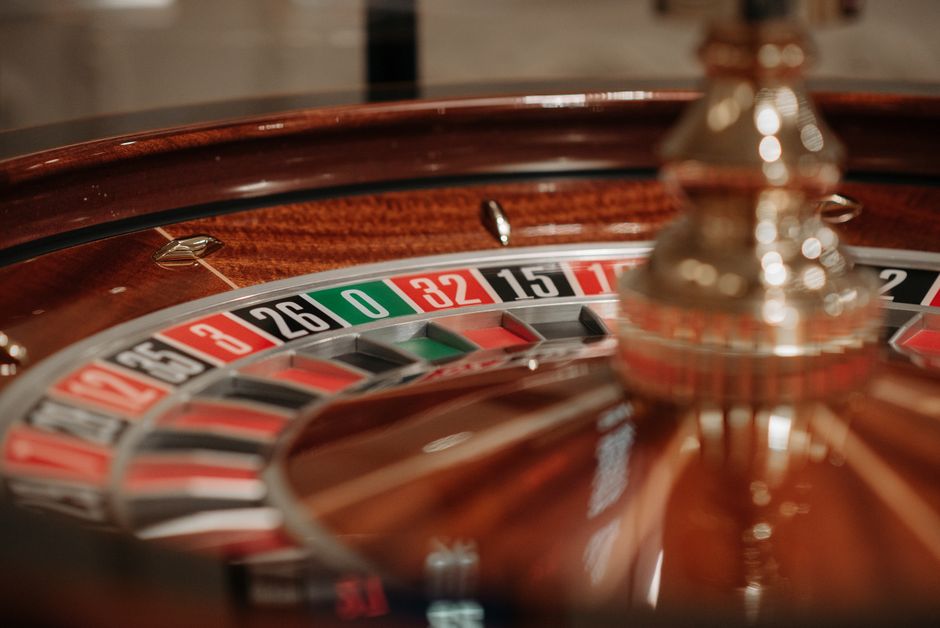
- Roulette (European, single-zero) — 2.7%
- Slots — 2% to 15%
- Poker (rake) — 2% to 10% of pot, variable
Poker is different from everything else on this list. You're not playing against the house — you're playing against other players and paying a rake for the privilege. A skilled player can be profitable long-term; a losing player funds the winners and the rake. That's why tournament poker and cash games require completely different bankroll strategies (typically 20–50 buy-ins for cash, 100+ tournaments for MTTs).
Sportsbook Margins: The Overround Nobody Talks About
Betting markets embed the bookmaker's profit in the odds themselves. A standard two-way market where both sides should be priced at even money (2.00 decimal) will usually show something like 1.91 and 1.91. That overround of around 4.5% is the bookmaker's theoretical margin. Sharp books like Pinnacle run margins as low as 2–3% on major markets. Softer books can run 6–8%, especially on props or minor leagues.
The practical implication: shopping multiple sportsbooks for the best price on the same outcome isn't optimization nerdery — it's the single biggest edge most recreational bettors can build. A half-point improvement on a spread or a 0.05 improvement on decimal odds compounds across hundreds of bets.
Bankroll Management: The Only Real Skill
You can't control the outcome of a spin or a hand. You can control your exposure. Some general principles that hold up under scrutiny:
- Decide on a session bankroll before you log in, and treat it as entertainment spending, not an investment.
- Size your bets so a losing streak doesn't wipe you out in ten minutes — 1–2% of bankroll per bet is a common sports betting rule, and slots stakes rarely justify more than 0.5–1% per spin.
- Set both a stop-loss and a stop-win. Walking away up is harder than walking away down.
- Track your play. Not for spreadsheets necessarily, just for awareness. Most players drastically underestimate how much they've cycled through.
None of this guarantees profit. But it extends play time, reduces the chance of a catastrophic session, and keeps the experience in the entertainment column where it belongs.
The Bottom Line
The iGaming industry is full of noise — streamer slots with impossible bonus rounds, tipsters selling sure-thing bets, "loose machine" folklore that's been debunked for decades. The real fundamentals are boring and don't change: RTP describes long-run averages, volatility describes the ride, house edges define what every product costs to play, and bankroll discipline determines whether you survive long enough to enjoy it. Learn those four things and you'll be better equipped than most people who have been spinning reels or betting games for years. The house always has the edge mathematically — but your job isn't to beat it. It's to not let it beat you faster than you expected.